When a lift station fails, a force main breaks, or a pump station goes offline, the results are costly and disruptive. Private utility assets are not one-time projects; they require strategic planning, routine maintenance, ongoing assessment, and proactive management throughout their lifecycle.
Whether you’re a developer, HOA, CDD, commercial property owner, or utility operator, every choice during planning, construction, maintenance, and replacement shapes system reliability, cost control, and asset lifespan. Understanding these systems protects your investment, avoids emergencies, and ensures long-term service.
This guide from RCM Utilities outlines the six stages of the private utility asset lifecycle and shows how proactive strategies can boost performance, minimize risks, and extend asset life.
What Are Private Utility Assets?
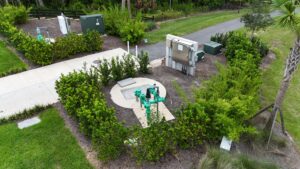
Private utility assets are the critical infrastructure components that collect, transport, distribute, and manage water and wastewater services within a community or development. These assets often include lift stations, force mains, gravity sewer systems, water distribution systems, irrigation pump stations, manholes and related structures, and the electrical and control systems that keep everything operating efficiently. New projects are built in Florida every year, and virtually every private subdivision requires privately constructed utility infrastructure before occupancy. Depending on the jurisdiction, those systems may remain privately owned for their entire lifecycle or be dedicated to a public utility after inspection and acceptance. Depending on the type of agreement, these systems may be owned and maintained by developers during construction, homeowners’ associations (HOAs), community development districts (CDDs), commercial property owners, utility authorities, or other private entities. Regardless of ownership, these assets require ongoing management and maintenance to ensure reliable service, regulatory compliance, and long-term performance.
Stage 1: Planning & Design
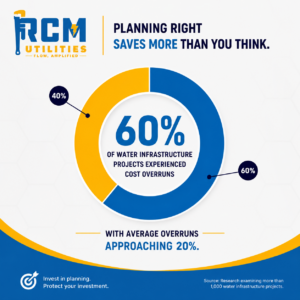
The lifecycle of a private utility asset begins long before the first pipe is installed or the first pump is energized. Effective planning and design establish the foundation for decades of reliable performance. During this stage, engineers and project teams evaluate site conditions, project utility demands, navigate regulatory and permitting requirements, and select equipment capable of meeting both current and future needs. Design decisions should also account for accessibility, maintenance requirements, operational efficiency, and anticipated community growth. When these factors are overlooked, the long-term costs can be significant. Research examining more than 1,000 water infrastructure projects found that approximately 60% experienced cost overruns, with average overruns approaching 20%, often driven by unforeseen conditions and planning deficiencies. Additionally, the EPA emphasizes that long-term asset management and infrastructure planning help reduce unexpected costs, improve reliability, and maximize the value of infrastructure investments. Investing time and resources during the planning and design stage helps ensure utility systems are properly sized, maintainable, compliant, and prepared to serve a community’s needs for years to come. While thoughtful planning and design create the blueprint for long-term success, it is the construction and installation stage where those plans are transformed into the physical infrastructure that communities will rely on every day. Completing construction is not the finish line, it is the beginning of the system’s operational life, which is why proper turnover procedures, warranty support, and ongoing service play such an important role in protecting the owner’s investment.
Stage 2: Construction & Installation
Once planning and design are complete, the focus shifts to construction and installation, where utility systems begin taking shape in the field. This stage requires strict adherence to construction best practices, quality control measures, and close coordination between contractors, engineers, utility providers, and project stakeholders to ensure the infrastructure is built according to design specifications. From installing lift stations, force mains, and water systems to integrating electrical and control components, every detail plays a role in long-term system performance. Thorough testing, startup procedures, and correct as-built documentation provides a valuable resource for future maintenance and repairs. Our team works closely with developers, builders, municipalities, and utility owners to deliver quality installations while providing dependable service long after construction is complete.
Stage 3: Turnover & Warranty Period
Receiving a Certificate of Occupancy (CO) and completing project turnover marks an important milestone, but it is not the end of a utility asset’s lifecycle. In fact, the turnover and warranty period is often when operational issues first emerge, and system performance is truly put to the test. During this stage, owners, developers, HOAs, CDDs, and utility operators should focus on inspections, performance verification, warranty management, and the establishment of clear maintenance expectations. Common issues such as pump adjustments, control system calibration, electrical troubleshooting, or operational inefficiencies are often identified during the first months of service. Florida law and utility regulations emphasize the importance of maintaining infrastructure and implementing inspection programs to identify repair and replacement needs before they impact service reliability. This is where having an experienced utility partner like RCM Utilities becomes invaluable.
Stage 4: Operations & Preventive Maintenance
Once a utility system is fully operational, preventive maintenance becomes one of the most important factors in ensuring long-term reliability and performance. Regular inspections help identify potential issues before they become costly failures, while scheduled lift station maintenance programs keep critical equipment functioning efficiently. Routine pump and control system testing verifies that systems are operating as designed, and cleaning and debris removal help prevent blockages, overflows, and unnecessary wear on equipment. Electrical system evaluations are equally important, as control panels, alarms, and power components play a vital role in system operation. In addition, emergency response planning helps owners and operators prepare for unexpected events and minimize service disruptions when issues arise. At RCM Utilities, we help clients protect their infrastructure investments through proactive maintenance programs, inspections, repairs, and 24/7 emergency response services.
Stage 5: Asset Assessment & Rehabilitation
Even the most well-maintained utility assets will experience wear and deterioration over time, making routine condition assessments a critical component of long-term asset management. Most water and wastewater utility infrastructure is designed to last between 50 and 100 years, but achieving that lifespan depends on proper construction, routine maintenance, timely rehabilitation, and proactive asset management. With inspections and evaluations, owners can identify early signs of corrosion, structural degradation, equipment wear, infiltration, and other issues before they lead to costly failures or service disruptions. Rehabilitation strategies such as protective coatings, structural repairs, equipment upgrades, and system modernization can often restore performance and significantly extend asset life at a fraction of the cost of full replacement. Extending asset life is a valuable strategy, but successful infrastructure management also requires planning for the inevitable repairs, upgrades, and replacements that lie ahead.
Stage 6: Capital Planning & Replacement
No utility asset lasts forever. Even with proactive maintenance and rehabilitation efforts, components such as pumps, controls, force mains, lift stations, and electrical systems will eventually reach the end of their useful life and require replacement. Capital planning helps owners prepare for these future needs by evaluating asset conditions, estimating remaining service life, prioritizing replacement projects, and establishing long-term funding strategies. Rather than waiting for a critical failure, a well-developed capital improvement plan allows organizations to budget for major repairs and replacements in advance, reducing financial surprises and minimizing operational disruptions. Through preventative maintenance, utility owners can make informed investment decisions, maintain system reliability, and ensure their infrastructure continues serving residents, businesses, and communities well into the future.
Common Lifecycle Mistakes to Avoid & How a Lifecycle Approach Saves Money
Many utility asset failures are not caused by a single catastrophic event but rather by a series of small issues that go unaddressed over time. Deferring routine maintenance, failing to track asset conditions, ignoring minor performance concerns, waiting until equipment fails before budgeting for repairs, and overlooking electrical and control systems are among the most common mistakes owners make. While these decisions may appear to save money in the short term, they often lead to higher repair costs, emergency service calls, unplanned downtime, and premature asset replacement. A lifecycle approach encourages owners to view infrastructure through a total cost of ownership perspective, considering not only the initial construction cost but also the long-term expenses associated with operation, maintenance, rehabilitation, and replacement.. At RCM Utilities, we help clients take a proactive approach to infrastructure management by providing maintenance, inspection, rehabilitation, and emergency response services that support reliable performance and help maximize the value of their utility investments over the long term.
RCM Utilities knows infrastructure management goes beyond construction. We support the full asset lifecycle: construction, inspections, preventive maintenance, rehabilitation, capital planning, and 24/7 emergency response. Whether you manage a new development, private system, HOA, CDD, or commercial site, we help protect your investment and keep systems running. Plan ahead, don’t wait for a problem to arise.
Ready to Take a Proactive Approach to Utility Asset Management?
Contact RCM Utilities to learn how we can help protect your infrastructure investment, Home | rcmutilities
Citation:
Successfully Protecting Your Investment in Drinking Water Infrastructure | US EPA
Storage Tank Compliance | Florida Department of Environmental Protection