Utility infrastructure is often designed to meet immediate requirements, pass inspection, and move a project to closeout. But the true cost of those decisions is rarely visible on day one. In fact, industry studies estimate that up to 30–40% of a utility asset’s total lifecycle cost is driven by decisions made during design and construction, not during operations. Short-term choices in materials, access, and protection can lead to premature failures, unplanned repairs, and operational disruptions years later. Infrastructure that simply “meets the standard” may function, but it often struggles to perform over its full intended lifespan. As expectations rise, builders and developers are increasingly held accountable for how systems perform long after construction is complete. Owners and operators now look beyond delivery and demand durability, reliability, and long-term value. Lifecycle thinking shifts utility design from a short-term task into a long-term performance strategy that protects assets, reduces risk, and supports communities for decades.
Strategic Planning & Smart Design
Long-term utility performance starts well before construction, with planning and design decisions that account for how a system will be owned, operated, and maintained over time. Aligning utility systems with long-term operational needs requires a clear understanding of site conditions, groundwater levels, corrosion risk, and access requirements that can impact performance and serviceability. Smart design prioritizes maintainability, builds in redundancy where appropriate, and allows for flexibility as demands change. Material selection plays a critical role, and evaluating options based on lifecycle cost rather than upfront price alone helps prevent premature deterioration and costly repairs. Early coordination of utilities across disciplines further reduces conflicts, redesigns, and delays, setting the foundation for infrastructure that performs reliably for decades.
Quality Construction & System Integration
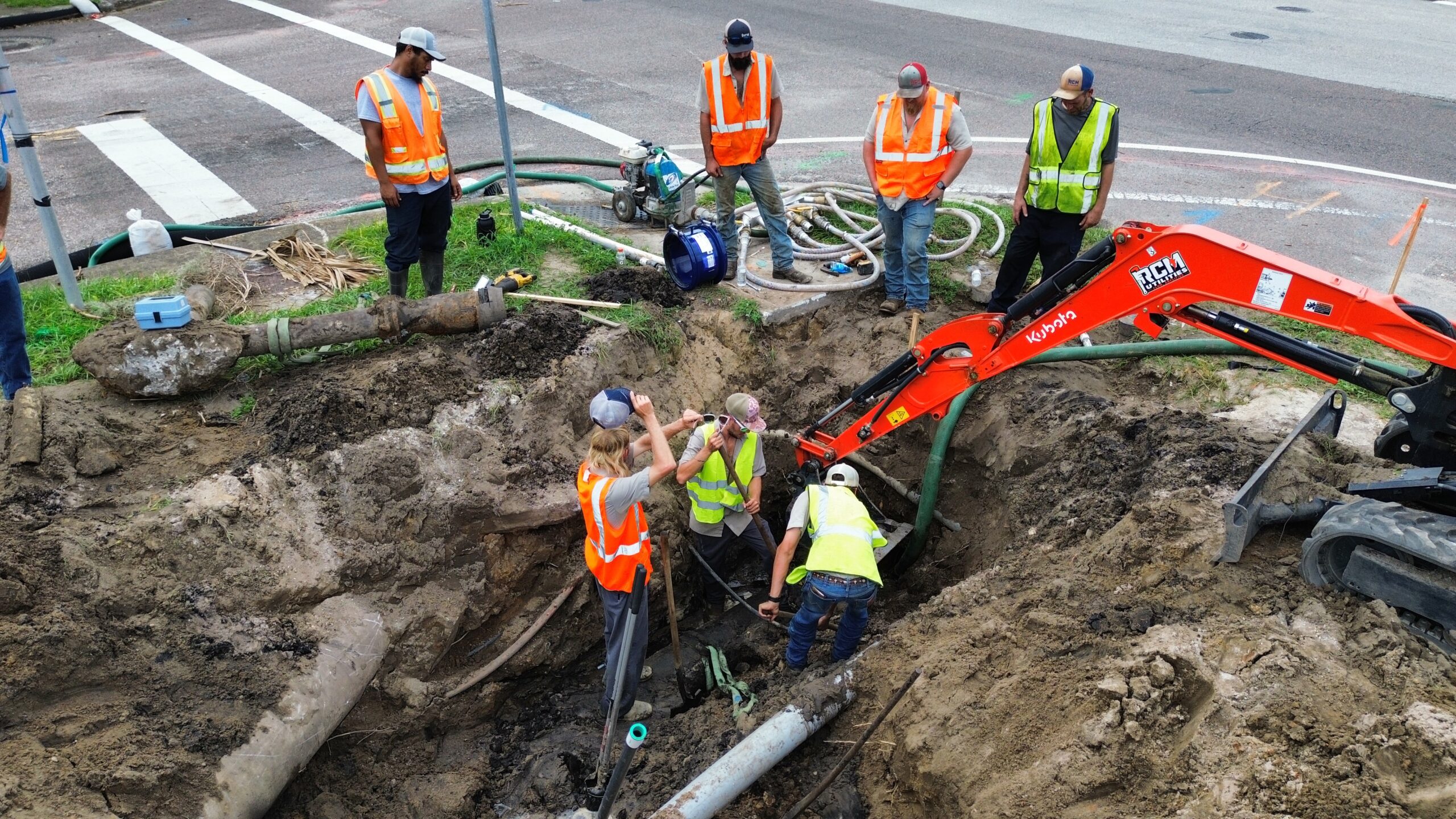
Utility infrastructure only performs as well as it is installed, making construction quality just as critical as engineering and design. Proper coordination of multiple trades under a unified utility strategy helps prevent misalignment, rework, and gaps in responsibility that can compromise system performance. At RCM Utilities, this approach means treating construction, integration, and accountability as a single, coordinated effort rather than separate handoffs. Managing tolerances, connections, compaction, and testing ensure components function together as intended and meet long-term durability expectations. Integrating mechanical systems, electrical components, and control technologies during construction is essential for operational reliability and efficient system performance. Thorough documentation, consistent inspections, and clear accountability throughout the buildout process help protect warranties, reduce risk, and ensure the infrastructure is delivered exactly as designed. Together, these construction and integration practices ensure that utility systems don’t just come together on schedule, but are positioned to operate reliably over time, naturally leading to the next consideration: how those systems are protected, maintained, and sustained for long-term performance.
Longevity, Protection & Ongoing Performance
Long-term utility performance depends on how well systems are protected and supported after construction is complete. Planning for access, routine maintenance, and operational continuity allows infrastructure to be serviced efficiently without disrupting operations. Proactive protection strategies, such as corrosion-resistant materials, coatings, and linings, play a critical role in slowing deterioration and extending service life particularly given that corrosion is estimated to contribute to more than 70% of water and wastewater system failures. Understanding warranty requirements and designing systems to preserve long-term coverage helps safeguard the investment and avoid preventable disputes or exclusions. By strategically choosing rehabilitation over full replacement when appropriate, owners can extend asset life, reduce downtime, and minimize unexpected capital costs while maintaining reliable system performance. When longevity and performance are planned as part of the overall strategy, not treated as afterthoughts, they reinforce the value of every earlier decision, highlighting why a turnkey delivery approach is often the most effective way to strengthen all three pillars of long-term utility performance.
The Case for Turnkey Utility Delivery
Turnkey delivery strengthens long-term utility performance by reducing handoffs and creating clear accountability across every stage of a project. When design, construction, rehabilitation, and ongoing maintenance are aligned under a single partner, decisions remain consistent from concept through operations, improving schedule control and minimizing coordination gaps. This integrated approach ensures systems are installed, protected, and maintained as intended, resulting in fewer surprises and more reliable infrastructure. For builders and developers, the takeaway is clear: long-term performance is intentional, accountability matters, and choosing the right utility partner early can shape a project’s success well beyond closeout, often for decades.
Designing utility infrastructure for long-term performance is no longer optional; it is a responsibility shared by builders, developers, and infrastructure partners alike. The decisions made during planning, construction, and protection directly shape how systems perform, how long they last, and how much risk they carry over time. By applying lifecycle thinking and aligning strategy, execution, and long-term support, projects move beyond meeting standards to delivering lasting value. RCM Utilities approaches utility infrastructure with this full-lifecycle mindset, integrating planning, construction, rehabilitation, and maintenance into a single, accountable strategy. The result is infrastructure built not just to pass inspection, but to perform reliably for decades, supporting communities, protecting investments, and standing up to the demands placed on it long after project closeout.
If you’re planning a utility project or evaluating existing infrastructure, RCM Utilities is ready to help. Contact our team to discuss lifecycle-focused solutions designed to protect performance, reduce risk, and extend system life.
Cited:
Life-Cycle Cost Analysis (LCCA) | WBDG – Whole Building Design Guide